
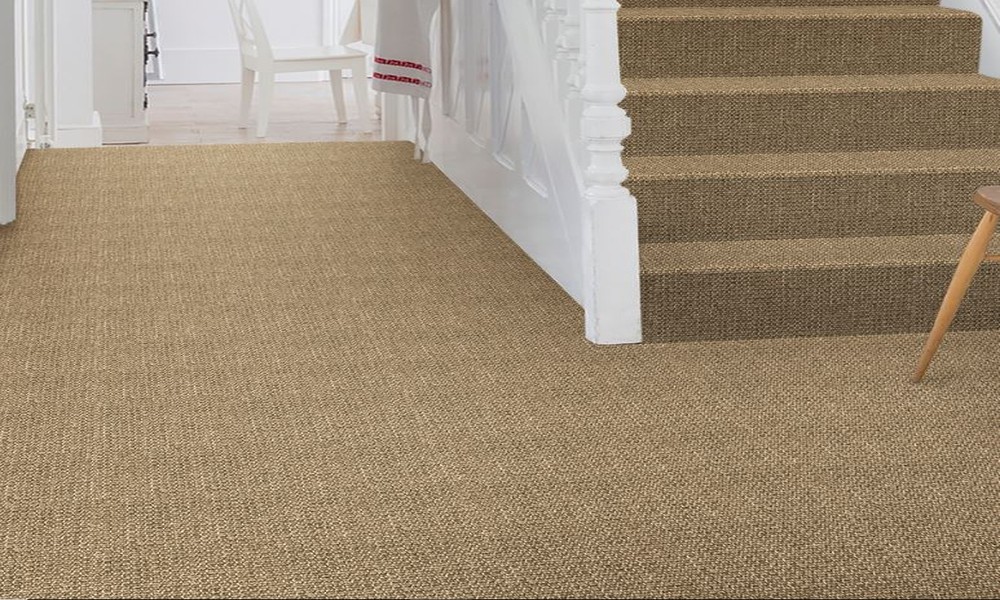

Sisal Carpet has emerged as one of the most sought-after natural flooring solutions for residential and commercial spaces. Known for its organic texture, durability, and eco-friendly composition, sisal carpeting provides a refined yet practical foundation for modern interiors. Manufactured from the fibers of the agave sisalana plant, sisal offers a strong, biodegradable, and renewable flooring option that aligns with contemporary sustainability standards.
What Is Sisal Carpet?
Sisal is derived from the long, stiff fibers of the agave plant, primarily cultivated in tropical regions. These fibers are extracted, dried, and woven into natural carpets and rugs. Unlike synthetic carpets, sisal does not contain harmful chemical additives, making it a preferred option for environmentally conscious homeowners and designers.
The defining characteristic of sisal carpet is its coarse, woven texture. This texture not only enhances its visual appeal but also improves traction, making it suitable for high-traffic areas such as living rooms, hallways, offices, and staircases.
Key Advantages of Sisal Carpet
Exceptional Durability
Sisal fibers are naturally strong and resilient. This strength makes sisal carpet ideal for areas with heavy foot traffic. It resists wear and maintains its structure over time, making it a long-term investment for both residential and commercial applications.
Eco-Friendly & Sustainable
One of the primary reasons people choose sisal carpet is its sustainability. Sisal is a renewable resource, and the manufacturing process generally requires minimal chemical treatment. Additionally, sisal carpets are biodegradable, reducing environmental impact compared to synthetic alternatives.
Natural Aesthetic Appeal
Sisal carpet offers a neutral, earthy appearance that complements a wide range of interior styles-from minimalist and Scandinavian designs to rustic and contemporary spaces. Its woven patterns and subtle color variations add depth and texture without overpowering the décor.
Improved Indoor Air Quality
Unlike synthetic carpets that may emit volatile organic compounds (VOCs), sisal carpet typically has low emissions. It does not trap dust or allergens as easily as plush carpets, making it a healthier option for indoor environments when properly maintained.
Anti-Static Properties
Sisal fibers have natural anti-static properties, which means they do not generate or hold static electricity. This feature makes them especially suitable for office environments and spaces with electronic equipment.
Common Applications of Sisal Carpet
Residential Spaces
Sisal carpet works exceptionally well in living rooms, bedrooms, and hallways. It creates a warm, inviting atmosphere while offering durability. In homes with a modern or natural design theme, sisal enhances the overall aesthetic with its organic charm.
Offices & Commercial Areas
Due to its durability and professional appearance, sisal carpet is frequently used in offices, meeting rooms, and reception areas. Its textured surface hides minor dirt and footprints, making it practical for daily use.
Staircases & Custom Rugs
Sisal is also popular for stair runners and custom-bound rugs. When finished with fabric or leather borders, it delivers a refined and customized look. Stair installations particularly benefit from sisal’s non-slip texture.
Maintenance & Care Tips
Although sisal carpet is durable, it requires specific maintenance practices to preserve its longevity and appearance.
Regular Vacuuming: Vacuum frequently using a suction-only vacuum (without a rotating brush) to remove dust and debris.
Immediate Spill Response: Sisal is highly absorbent. Liquids should be blotted immediately with a dry cloth to prevent staining.
Avoid Excess Moisture: Sisal should not be steam-cleaned or shampooed with water-based cleaners. Excess moisture can cause fiber expansion, warping, or staining.
Dry Cleaning Methods: Use dry carpet cleaning powders specifically designed for natural fiber carpets.
Protective Underlay: Installing a quality underlay enhances comfort and extends the carpet’s lifespan.
Considerations Before Installation
While sisal carpet offers many advantages, it is important to evaluate suitability based on location and usage.
Not Ideal for Wet Areas: Sisal is not recommended for kitchens, bathrooms, or outdoor areas due to its sensitivity to moisture.
Texture Sensitivity: The coarse texture may feel rough under bare feet compared to softer carpets like wool.
Color Limitations: Sisal carpets are usually available in neutral tones, as the fibers do not absorb dye easily.
Sisal Carpet vs. Other Natural Carpets
Sisal is often compared to other natural fiber carpets such as jute, coir, and seagrass.
Jute: Softer but less durable than sisal; better suited for low-traffic areas.
Coir: Very coarse and rugged, commonly used for doormats.
Seagrass: More moisture-resistant but has limited design flexibility.
Among these options, sisal carpet strikes a balance between durability, appearance, and practicality.
Why Sisal Carpet Is a Smart Investment
Choosing sisal carpet reflects a commitment to sustainability, durability, and timeless design. It provides a unique blend of performance and elegance that synthetic alternatives often fail to replicate. While it may require careful maintenance, its long-lasting nature and eco-friendly credentials make it a worthwhile flooring solution.
In modern architecture and interior design, natural materials are increasingly favored for their authenticity and environmental responsibility. Sisal carpet fits seamlessly into this movement, offering a flooring solution that is both functional and aesthetically pleasing.
Final Thoughts
Sisal Carpet Dubai is more than just a flooring option-it is a statement of sustainability and refined taste. Its strength, natural texture, and environmentally responsible composition make it ideal for contemporary homes and professional environments alike. With proper care and thoughtful installation, sisal carpet can transform interiors into sophisticated, eco-conscious spaces that stand the test of time.
