

1. INTRODUCTION
Very few individuals understand the role of a fire watch guard. They believe that the role involves just watching and waiting for nothing much to happen. However, nothing could be further from the truth. The role is dynamic, requires a lot of vigilance, and is extremely crucial. It acts as the ears and eyes of the building where the fire protection system is down.
During periods when automated sprinklers or alarm networks are offline, dedicated fire watch guards act as the primary line of defense to maintain continuous site safety. By combining structured physical sweeps with active hazard detection, these specialists ensure that potential risks are addressed long before they can escalate into dangerous threats.
2. STARTING THE SHIFT
A shift starts with a briefing. The guard examines the notes from the previous shift and greets the individual leaving. The guard learns who to call in an emergency, which areas require more attention, and which systems are down.
The guard then inspects the equipment. This comprises a list of emergency numbers, a patrol journal, a radio or phone, and a flashlight. The guard also becomes familiar with the locations of fire extinguishers, stairwells, and exits.
3. REGULAR PATROLS
Walking patrols make up the majority of the shift. Every area of the building is covered by the guard’s predetermined path. While some buildings require patrols more frequently, most patrols take place once per hour.
The guard searches for smoke, strange odors, hot machinery, and overloaded electrical outlets on each stroll. Because they frequently start fires, kitchens, boiler rooms, storage spaces, and electrical rooms receive special attention.
4. CHECKING EXITS AND SAFETY EQUIPMENT
Ensure safety while leaving to Public. They ensure doors can open without obstruction, hallways are kept clear, and that exit signs light up. Everyone communicates promptly to have blocked paths cleared.
Fire extinguishers must be checked to ensure they are on-site and not damaged. The log contains minor issues observed.
5. WRITING THE LOG
The guard writes an entry after every patrol. It contains the time, areas checked, and anything bizarre. This log serves as an official record. It must be clear and honest as insurance companies and fire officials may ask to see it.
6. HANDLING AN EMERGENCY
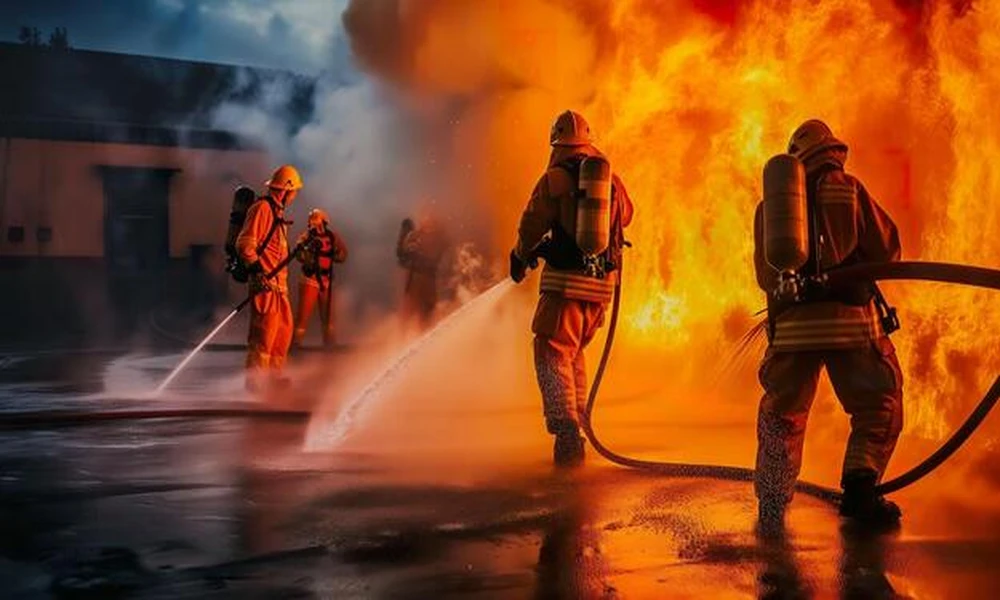
The plan is simple if the guard sees a fire or smells smoke. Call the fire brigade, alert the people inside, and assist them to safety. If possible and safe, the guard can use an extinguisher when the fire is small. Otherwise, the security dispatches the fire fighters.
When fire trucks arrive, the guard directs them to the location of the problem right at the entrance.
7. ENDING THE SHIFT
The guard provides the following person with a detailed report at the conclusion of their shift. Nothing is omitted. This ensures that there are no gaps in protection and that the watch is continuous.
8. CONCLUSION
A fire is much more than a fire. Guards are briefed, patrolled, inspected, documented, and ready to respond in an emergency. Their continuous work keeps a structure safe until its fire systems are functional again. Owners and managers can better understand the value of a trained fire watch by understanding what guards do.
