

Mesothelioma and its link to commercial buildings
Exposure to asbestos fibers is a severe health concern because these microscopic particles can cause permanent damage once inhaled or ingested. Mesothelioma is a rare, malignant form of cancer specifically affecting the lining of the lungs or abdomen, and it is almost exclusively linked to prior asbestos exposure. Many individuals who develop this disease spent significant time in older properties where discovering the risks of asbestos in buildings was not a priority. When materials degrade, these hazardous fibers become airborne, settling into the respiratory systems of building users.
Asbestosis and chronic lung impairment
Beyond malignant conditions, the long-term inhalation of asbestos causes asbestosis, which is a chronic inflammatory condition of the lungs. The buildup of fiber scar tissue, or fibrosis, leads to progressive difficulty in breathing, causing a feeling of tightness that physically limits daily activity. This condition often results from repeated, high-level exposure over many years, creating a significant burden on the respiratory health of those who occupy industrial spaces without proper monitoring.
Lung cancer development timelines
Lung cancer remains a primary consequence of asbestos exposure, with development often taking decades to manifest. This latency period makes it difficult to trace the specific time of exposure, yet the medical consensus confirms that even low-level chronic inhalation significantly increases oncological risks. Understanding these dangers is critical for maintaining property safety in public buildings where historical building methods were once standard.
Where asbestos hides in commercial properties
Insulation and pipe lagging issues
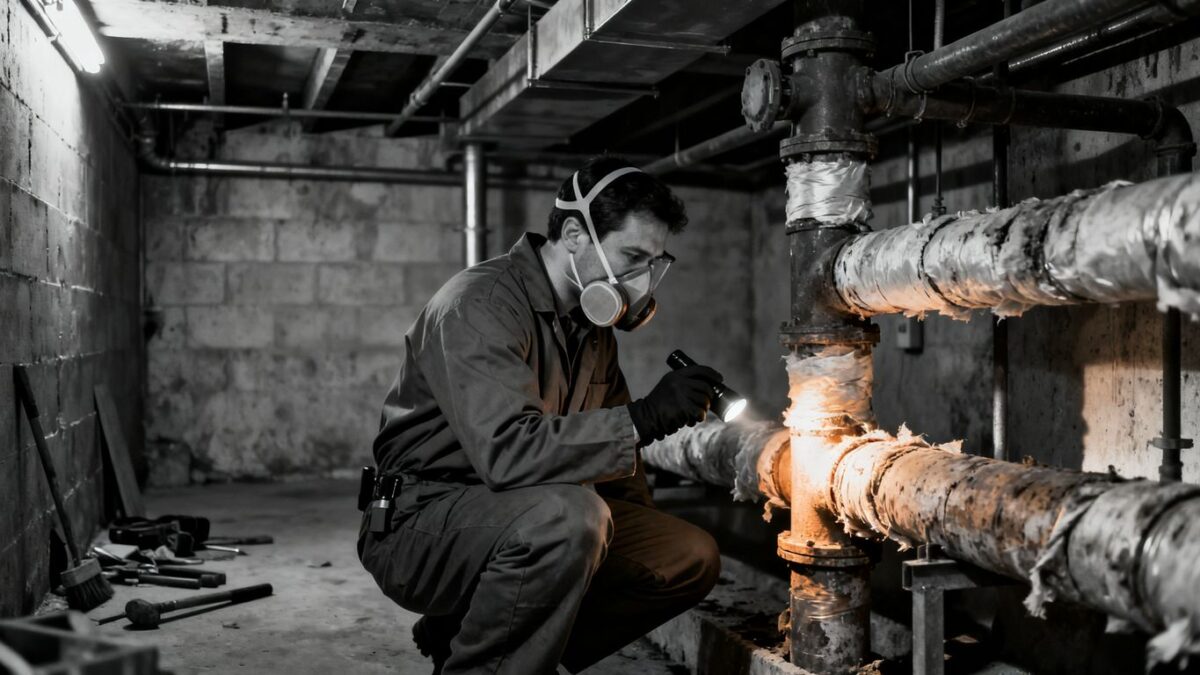
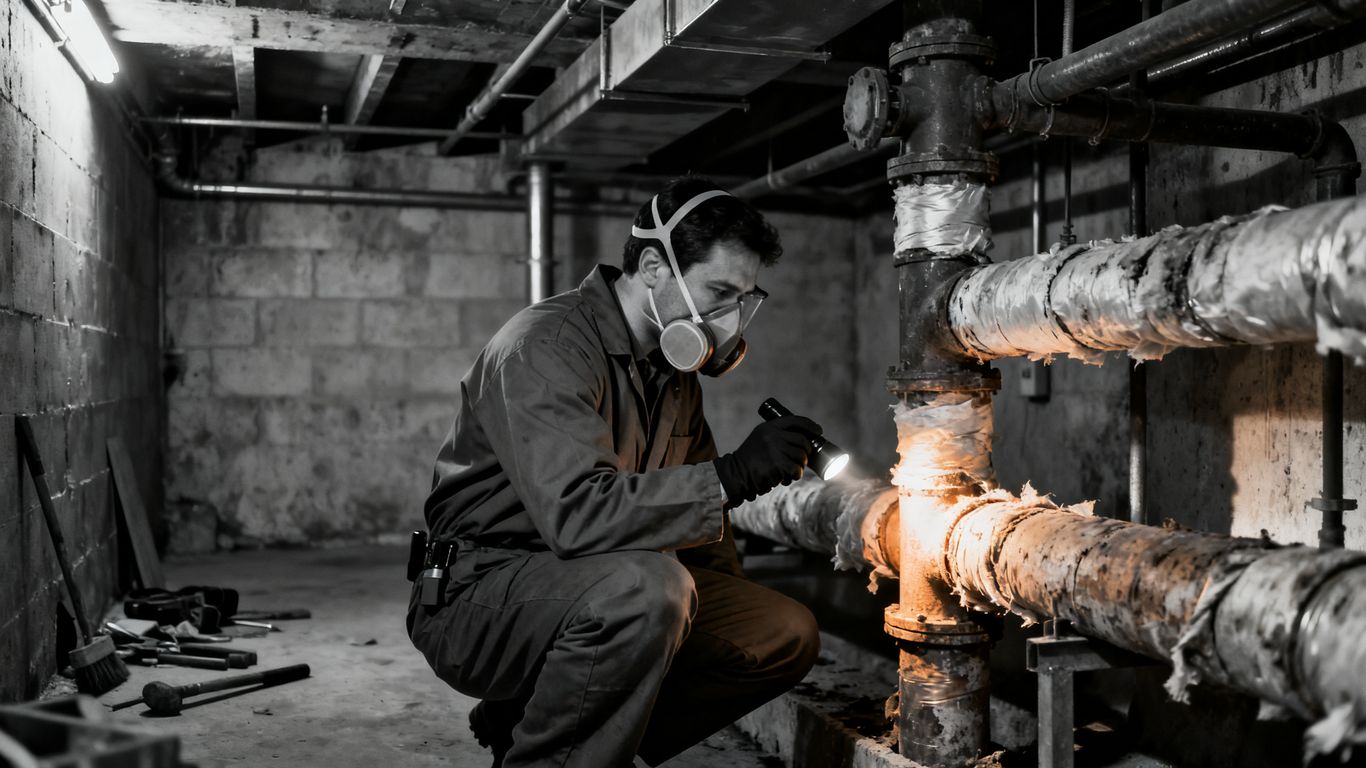
Asbestos was historically favored for its thermal resistance, which explains its frequent presence in insulation and pipe lagging. In older commercial systems, deteriorating wraps on steam pipes often release dangerous dust into crawl spaces and utility corridors. Facility managers must remain vigilant, as damaged insulation represents a primary source of indoor fiber contamination in aging structures.
Ceiling and floor tiles as potential hazards
Sprayed-on acoustic ceilings and vinyl floor tiles often contain asbestos fibers embedded within the matrix of the material. When these tiles are drilled, sanded, or broken during renovations, they transition from a non-friable to a friable state. Owners should understand the difference between friable and nonfriable materials to determine if immediate remediation is required when planning interior changes.
Roofing materials and exterior building structures
Roofing felts, siding shingles, and exterior sealants used before modern regulations often contain bound asbestos. While these materials are generally safe when intact, the impact of weather erosion or physical damage can lead to environmental release. The following factors contribute to the degradation of these exterior components:
- Persistent moisture infiltration that weakens internal binders.
- UV radiation exposure leading to structural surface cracking.
- Mechanical vibration from rooftop mechanical units.
- Inadequate maintenance tracking for aging sealants.
Effective management requires regular inspections of these external areas to prevent the accidental aerosolization of fibers during repairs.
Assessing environmental risk for workers and occupants
Evaluating the condition of friable asbestos materials
Friable materials represent the most dynamic risk, as they are capable of being crushed by hand pressure into airborne dust. Identifying these materials requires a specialized survey to assess surface integrity and prevent accidental damage. Maintaining an awareness of these materials is an essential component of professional building health assessments.
Identifying high-traffic areas prone to fiber release
Spaces with high air circulation or frequent repair work are automatically higher risk for latent contamination. When ventilation systems pull air through damaged fireproofing or ceiling plenums, fibers can be distributed throughout an entire floor. Continuous air quality monitoring is often implemented to ensure that hazardous levels are not reached in common areas.
Distinguishing exposure risks between tenants and maintenance staff
Maintenance workers face a unique danger because they operate in the mechanical heart of buildings where concealed insulation is often disturbed. Tenants, while generally at lower risk, are still vulnerable if structural damage causes fiber migration into office airflows. Proactive communication helps manage these different risk profiles for various occupants.
Legislative requirements and safety standards
OSHA regulations for commercial building management
Occupational Safety and Health Administration standards protect the workforce by mandating that employers notify staff of potential hazards on-site. Compliance with these rules ensures that those working around potentially hazardous materials have appropriate training and equipment. Rigid adherence to these protocols is fundamentally necessary for modern property maintenance.
EPA guidelines for indoor air quality
Federal standards, specifically those managed under the Clean Air Act, require that asbestos in commercial buildings be handled with specific regard for environmental safety. These guidelines specify how demolition and renovation processes must be conducted to minimize the migration of fibers into the ambient air, keeping communities protected.
Liability and duty of care for property owners
Property owners bear a significant legal responsibility to provide a safe structure for all occupants, which involves maintaining a documented history of asbestos inspections. Failure to fulfill this duty of care can lead to extensive liability if hazardous materials are left unmanaged. For many owners, this means identifying asbestos-containing materials and keeping records of all mitigation efforts to satisfy legal standards.
Strategic steps for asbestos management
Conducting professional asbestos surveys
An official asbestos survey is the primary step in formulating a safety program. Professionals trained to detect materials ensure that no hidden hazards are overlooked during basic maintenance. This baseline data guides all future decisions, allowing management to proceed with confidence knowing the true condition of their premises.
Implementing an active asbestos management plan
Once hazards are identified, an active operations and maintenance program must be implemented to manage the risk. This plan outlines specific actions, such as labeling dangerous areas and restricting access to high-risk zones. By maintaining these records, property managers ensure they are constantly fulfilling their legal duties to prevent exposure.
Communicating known hazards to building occupants and employees
Transparency is a core principle in risk mitigation. Informing tenants about the presence of controlled asbestos allows them to report any damage they observe, such as water leaks or structural cracks. Effective management relies on a cooperative environment where awareness and vigilance are shared across the building.
Best practices for abatement and remediation
Containment strategies during facility renovations
During any construction project, containing the work area is the most effective way to protect the integrity of the rest of the building. Using physical barriers, negative air pressure, and localized filtration systems keeps potentially hazardous fibers from entering common ventilation paths. This technical approach is widely utilized to safeguard workers while renovations are in progress.
Principles of safe removal versus material encapsulation
Managing materials sometimes involves total removal, while other scenarios benefit from encapsulation or enclosure. Encapsulation seals the material with protective coatings, physically preventing fiber release while avoiding the dangers associated with removal. The choice depends on the material’s condition and its placement within the facility.
Selecting certified asbestos abatement contractors
Removing asbestos requires specialized expertise to prevent catastrophic contamination of the environment. Contractors must possess the correct certifications, including accreditation from programs modeled after federal safety standards. Choosing qualified, licensed partners is a non-negotiable safety requirement for building owners who prioritize both regulatory compliance and long-term liability protection.
Related Lung Cancer Links
