

As the vibrant autumn colors of Geist Reservoir begin to fade and the first frost settles over Nickel Plate District, homeowners in Fishers, Indiana, know that winter is looming. Indiana winters are notoriously unpredictable, oscillating between heavy, wet snowfalls and bitter “polar vortex” freezes. For a homeowner, the exterior of the house is the first line of defense against these harsh elements.
Neglecting winter preparation can lead to costly repairs come spring, ranging from burst pipes to roof leaks. To ensure your home remains a warm sanctuary rather than a source of financial stress, follow this comprehensive 7-step checklist for winterizing your home’s exterior.
1. Inspect and Clear the Gutter System
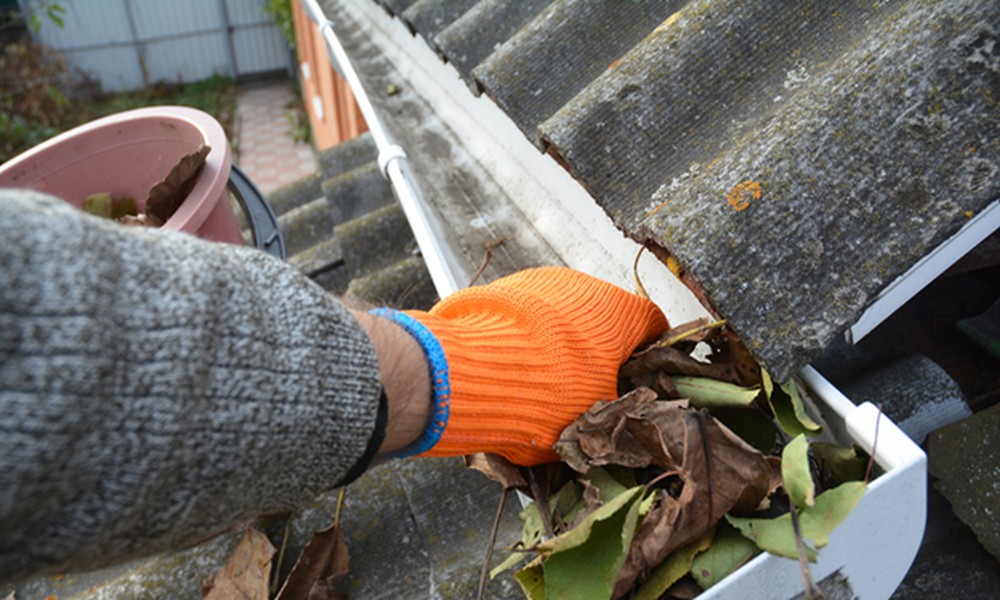
The most critical step in winterizing an Indiana home is ensuring that water has a clear path away from the structure. When gutters are clogged with fallen maple leaves and pine needles, melting snow has nowhere to go. This water often refreezes at the roof’s edge, forming “ice dams” that can tear off gutters and force moisture under your shingles.
Because Fishers is home to many mature neighborhoods with heavy tree canopies, organic debris accumulates quickly in the fall. Professional Fishers gutter cleaning is highly recommended during late November to ensure that downspouts are flowing freely before the ground freezes. A clear system prevents water from pooling near your foundation, which can crack during the freeze-thaw cycles common in the Midwest.
2. Service the Roof and Chimney
Your roof is under constant assault during a Hoosier winter. Before the first major snowstorm, conduct a visual inspection from the ground using binoculars or hire a professional to check for loose, cracked, or missing shingles. Pay close attention to the flashing around chimneys and vent pipes, as these are common entry points for water.
If you have a wood-burning fireplace, have the chimney swept and inspected. Creosote buildup is a fire hazard, and a damaged chimney cap can allow small animals or moisture to enter your home during the cold months.
3. Disconnect and Drain Exterior Plumbing
Frozen pipes are one of the most common-and preventable-winter disasters. Water expands as it freezes; if that water is trapped in an outdoor spigot or a garden hose, the pressure can cause the internal pipes to burst.
Start by disconnecting all garden hoses, draining them, and storing them in a garage or shed. Turn off the interior shut-off valve for your outdoor faucets, then open the exterior tap to allow any remaining water to drain out. For added protection, install insulated foam covers over the outdoor spigots to provide a thermal barrier against sub-zero temperatures.
4. Seal Gaps in Windows and Doors
A drafty home isn’t just uncomfortable; it’s expensive to heat. Inspect the caulking around the frames of your windows and doors. Over time, Indiana’s humidity and temperature swings can cause caulk to dry out and crack.
Apply a fresh bead of exterior-grade caulk where needed, and check the weatherstripping at the bottom of doors. If you can see light peeking through the bottom of your front door, you are essentially paying to heat the neighborhood. Replacing a worn door sweep is a five-minute DIY task that can save significantly on your monthly utility bills.
5. Shut Down the Irrigation System
If your Fishers property features a lawn irrigation system, “blowing out” the lines is a non-negotiable step. Even if the pipes are buried underground, the frost line in Central Indiana can reach deep enough to freeze the water inside your sprinkler heads and PVC piping. Using an air compressor to clear the lines ensures that no water remains to expand and shatter the components, saving you a massive headache when you try to green up your lawn in May.
6. Prune Overhanging Tree Branches
Winter storms in Indiana often bring ice and heavy, “heart-attack” snow. This weight puts immense stress on tree limbs. If you have branches overhanging your roof or power lines, they become a liability. Ice-laden branches can snap and crash through a roof or bring down an electrical mast. Take the time in late autumn to trim back any dead or precarious limbs to ensure they don’t become projectiles during a January blizzard.
7. Prepare Your Hardscapes and Deck
Finally, give some attention to your deck and driveway. If you have a wood deck, check the sealant; if water no longer beads on the surface, it’s time for a fresh coat of stain to prevent the wood from rotting under a layer of melting snow.
For driveways and walkways, fill any significant cracks with a masonry sealer. When water gets into cracks and freezes, it expands, turning a small hairline fracture into a major pothole by springtime.
Winterizing a home in Fishers is about more than just comfort-it is about preservation. By spending a few weekends in the fall addressing these seven areas, you protect your most valuable asset from the rigors of the Indiana climate. From ensuring proper drainage to sealing out the cold, a proactive approach today prevents the “emergency” repairs of tomorrow.
