
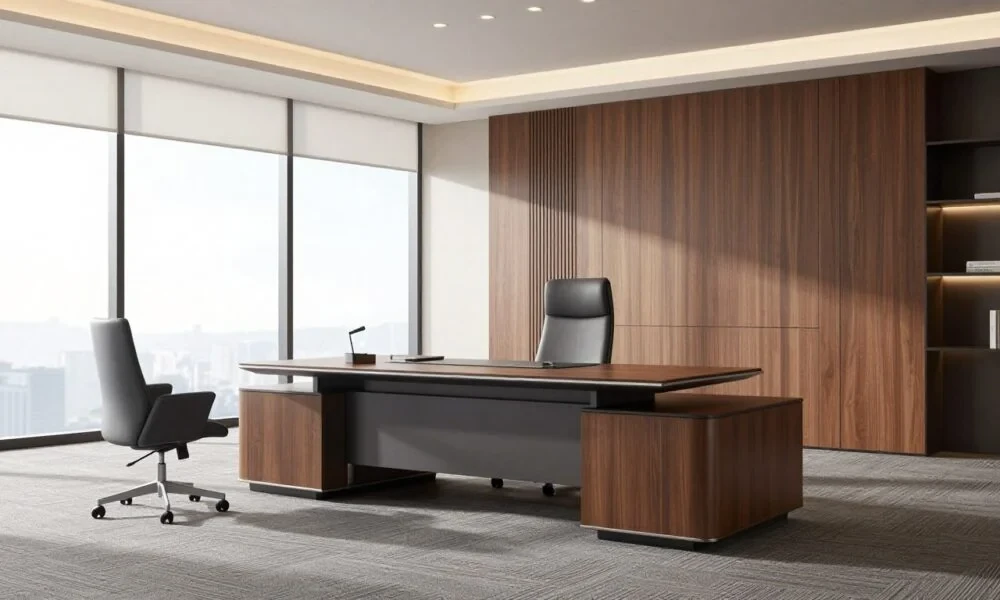

The modern workplace has evolved far beyond rows of cubicles and fluorescent lighting. Today’s offices are designed with collaboration, wellness, and flexibility in mind, recognizing that the physical environment has a direct impact on employee satisfaction, productivity, and retention.
As companies compete to attract and retain top talent, investing in thoughtful office design has become more than an aesthetic choice-it’s a strategic business decision.
Creating Spaces That People Want to Work In
Employees spend a significant portion of their lives at work. An office that feels inviting, comfortable, and functional can contribute to a more positive employee experience.
Many organizations are incorporating features such as:
- Open collaboration areas
- Quiet spaces for focused work
- Natural lighting
- Ergonomic furniture
- Break rooms with comfortable seating
- Outdoor workspaces
- Wellness rooms
- Modern conference facilities
These improvements help employees feel valued while creating an environment that supports different working styles.
Flexibility Matters
Hybrid work has changed how companies think about office space. Instead of assigning every employee a permanent desk, many organizations have adopted flexible workstations, hoteling systems, and shared collaboration areas.
The result is an office that encourages teamwork while making more efficient use of available space.
Flexible environments also allow businesses to adapt more easily as staffing levels and operational needs change over time.
Investing in the Employee Experience
Modern office renovations often include upgraded technology, improved acoustics, better air quality, and thoughtfully designed common areas. These investments can improve communication, reduce workplace stress, and create opportunities for informal collaboration that may not occur in more traditional office layouts.
While office design alone cannot solve every workplace challenge, it can support a culture where employees are more engaged and motivated.
Office Renovations Often Extend Beyond Construction
A significant office renovation frequently involves more than new flooring, paint, and furniture. Companies may replace conference room technology, upgrade workstations, install new filing systems, purchase ergonomic seating, add audiovisual equipment, and reconfigure collaborative workspaces.
Following one such renovation, the company’s Chief Financial Officer engaged an independent equipment appraisal firm to assist with the cost allocation process. The appraisal helped identify and categorize furniture, fixtures, equipment, and other tangible assets so they could be properly recorded on the company’s books. Accurate cost allocation supports financial reporting, depreciation schedules, insurance documentation, and future capital planning, while providing management with a clear understanding of its investment in the renovated workspace.
Designing for Collaboration
Office layouts increasingly emphasize collaboration without sacrificing privacy. Glass conference rooms, movable partitions, shared project areas, and technology-enabled meeting spaces make it easier for employees to communicate while still providing quiet areas for concentrated work.
The goal is to create a workplace that supports both teamwork and individual productivity.
Supporting Employee Wellness
Employee morale is influenced by more than compensation and benefits. The workplace itself plays an important role in daily well-being.
Features such as natural light, indoor plants, adjustable workstations, comfortable seating, and improved ventilation have become common elements in office design because they contribute to a healthier and more enjoyable work environment.
Companies that prioritize employee wellness often see benefits that extend beyond morale, including improved attendance, stronger engagement, and lower turnover.
A Workplace That Reflects Company Culture
An office serves as more than a place to work, it reflects the organization’s values, culture, and commitment to its employees. Visitors, clients, and prospective hires often form their first impressions based on the physical environment.
Thoughtful design demonstrates that a company is investing not only in its facilities, but also in the people who occupy them. As organizations continue to adapt to changing workforce expectations, creating modern, functional, and welcoming office spaces remains an important investment in long-term business success
