
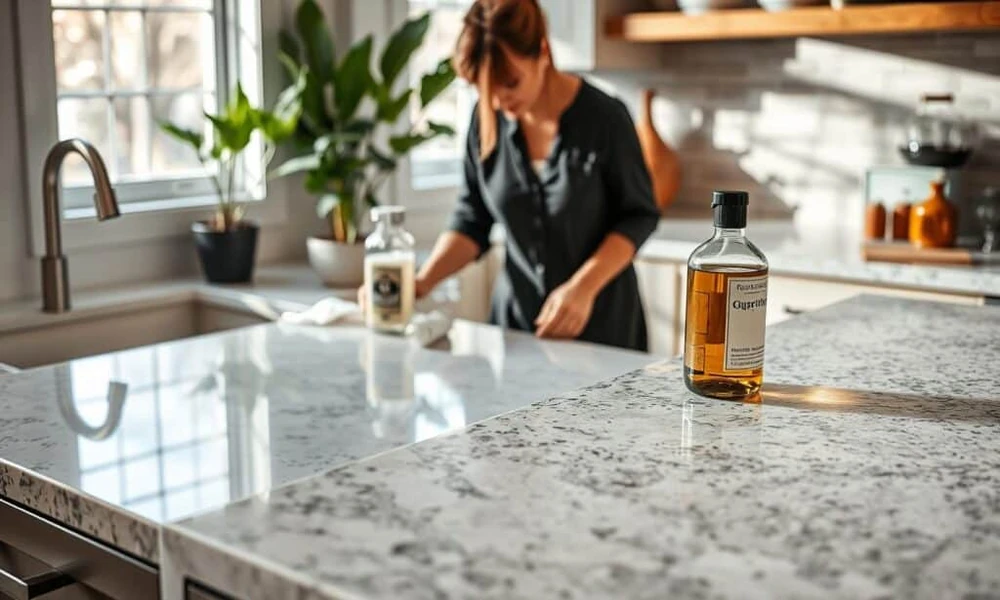

The world of stone countertops seems straightforward until you live with one. The look is timeless, but behind those glossy surfaces are surprising differences in maintenance that can save (or cost) you years of trouble.
Myth 1: All Stone Countertops Require the Same Maintenance
So many homeowners assume a slab of stone is just that: stone. In reality, each material comes with its own quirks, especially when it comes to porosity and durability.
Differences in Porosity and Durability
Granite, for example, is naturally porous and can absorb liquids if left unsealed, leading to stains and bacteria growth. Quartz, engineered from natural quartz and resins, is almost non-porous and more resistant to spills. Marble, prized for its elegance, is so porous that even water can leave marks if left to sit. These small differences might not seem like much at first, but they add up to dramatically different cleaning and sealing routines.
How Material Composition Affects Upkeep
A countertop’s composition determines everything from how often it must be sealed to the type of cleaners it can tolerate. Quartz’s resin binds make it tough against most stains, but not invincible. Natural stones like granite and marble often require regular sealing and gentle care to keep their beauty intact.
Myth 2: Granite is Maintenance-Free
Granite’s rock-solid reputation can be deceiving. It’s tough, but not maintenance-free.
Sealing Granite: Frequency and Importance
A well-sealed granite countertop can shrug off most stains, but that barrier doesn’t last forever. Experts recommend sealing granite every one to three years, depending on the level of use and the quality of the sealant. Neglecting this step increases the risk of moisture, oils, and acids seeping into the stone.
Common Mistakes That Damage Granite Surfaces
Wiping granite with acidic or abrasive cleaners can wear down the seal, leaving the stone vulnerable. Setting hot pans or using knives directly on the surface might not scratch or stain immediately, but over time, the polished finish can lose its luster.
Myth 3: Quartz Countertops are Completely Stain-Proof
Quartz’s reputation for being bulletproof isn’t the whole story. While quartz is more forgiving, it’s not immune to all mishaps.
Understanding Quartz’s Engineered Nature
Engineered quartz combines stone and resin, creating a surface that resists stains and scratches better than most natural stones. However, the resin can be sensitive to extreme heat, which can cause discoloration or warping.
Best Practices to Prevent Stains and Scratches
Wipe up wine, coffee, and nail polish remover promptly. Always use trivets or hot pads under hot pots and pans. For everyday cleaning, a mild soap and soft cloth are all you need. Tougher messes might tempt you to reach for heavy-duty cleaners, but those can damage the resin binders.
Myth 4: Natural Stone Countertops Can Be Cleaned with Any Household Cleaner
The wrong cleaning product can undo months of care in just a few minutes.
Chemicals to Avoid on Different Stones
Skip anything with vinegar, bleach, ammonia, or citrus. These can etch marble, break down granite seals, and dull quartz finishes. Powdered and highly abrasive cleansers should also be left under the sink.
Recommended Cleaning Products for Each Material
– Granite and marble: Use a pH-neutral stone cleaner or warm water with a drop of gentle dish soap.
– Quartz: Mild soap and water work best. Specialty quartz cleaners offer extra shine, but harsh chemicals are unnecessary.
Myth 5: Stone Countertops Don’t Require Professional Care
Sometimes, DIY just isn’t enough.
When to Call a Stone Care Specialist
Deep stains, chips, cracks, or a surface that no longer shines may require professional attention. A stone specialist can reseal, polish, and even repair damage that’s beyond the reach of regular cleaning.
DIY vs. Professional Polishing and Repair
Routine cleaning and sealing can be done at home, but grinding out etch marks or restoring gloss on dulled granite is best left to the pros. Trying aggressive fixes on your own can cause further harm.
Myth 6: All Stone Countertops React the Same to Heat and Acid
A scalding pot or a splash of lemon juice won’t affect every countertop the same way.
Heat Resistance Across Materials
Granite handles heat better than quartz, but placing hot cookware directly on any stone can risk thermal shock or surface damage over time. Quartz’s resin can scorch, leaving irreversible marks.
How Acidic Substances Impact Granite, Quartz, and Others
Acids like vinegar or lemon juice can etch marble nearly instantly and degrade the sealant on granite. Quartz is more acid-tolerant but can lose its sheen with repeated abuse.
Myth 7: Stone Countertops Will Last Forever Without Maintenance
Stone is tough, but time and neglect wear everything down.
Signs of Wear and Aging in Different Stones
Faded polish, darkened edges, and persistent stains are telltale signs a countertop needs attention. Granite might show dull patches; marble can develop a patina; quartz can lose its uniform shine.
Regular Maintenance Routines to Prolong Lifespan
Wipe up spills quickly, use gentle cleaners, and reseal natural stones as needed. Periodic professional polishing can restore shine and longevity, keeping stone looking new for decades.
Choosing the Right Stone Countertop Based on Maintenance Needs
The best countertop isn’t just about looks; how much care you’re willing to give matters just as much.
Matching Material to Lifestyle and Usage
Busy families might appreciate quartz’s low fuss, while those who love the feel of natural materials may prefer granite, despite the need for regular sealing. Marble might be best suited for low-traffic areas where its delicate beauty can be monitored.
Balancing Aesthetics, Durability, and Care Effort
No matter your choice, start by evaluating how much maintenance you’re willing to perform. If you want a surface that balances beauty and function, explore Kitchen Wholesalers granite countertops. Their range showcases durable, beautiful stones, making it easier to find a countertop that matches both your design vision and your cleaning habits.
Understanding the subtle differences in care routines ensures your countertop stays as stunning as the day it was installed, no matter which material you choose.
